★★★★★
257 Reviews
Leggi tutte


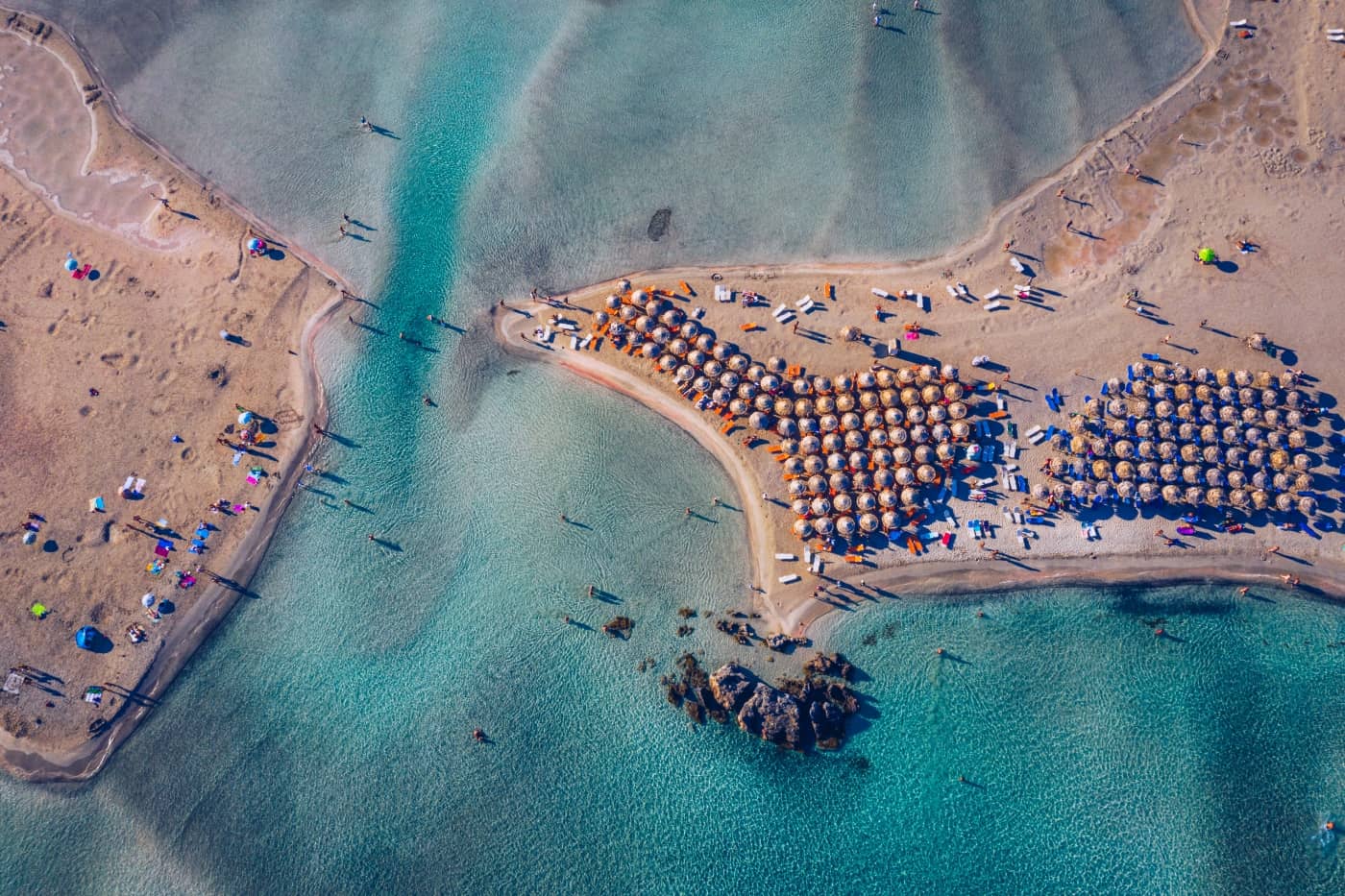
Crete is not just a destination: it is a sensory experience.
It is the intense blue of the sea blending into the sky, the scent of freshly pressed olive oil, the song of the wind through the gorges and the genuine smile of the local people.
It is an island that is meant to be experienced slowly without rushing, it welcomes you like an old friend and invites you to sit in a seaside taverna, with a small glass of raki and a plate of mezedes (Greek appetisers), while watching the sun set.
One fascinating aspect of Crete is that the island is divided into four main regions, each with its own identity, atmosphere and unique characteristics.
If you visit them all, you will feel as though you have explored four different islands in a single holiday.
Let’s discover these four very different yet closely connected areas that together create a wonderful land filled with everything you could possibly need.
Chania, the western pearl of Crete, is a little world of its own, where sea and mountains meet and embrace, creating breathtaking landscapes. It is a region stretching from the coast to the White Mountains (Lefka Ori), a mountain range that dominates the hinterland with more than 50 peaks rising above 2,000 metres.
Along the coast, golden sandy beaches alternate with hidden bays, fishing villages and romantic little harbours. Inland, instead, you will find endless olive groves, deep gorges and authentic villages where time moves slowly. The atmosphere of this part of Crete is an irresistible mix of wild nature, culture, hospitality and authenticity.
The city of Chania, the capital of the region, is a small architectural gem. Its Venetian harbour, with its famous lighthouse, is one of the most photographed places on the island. Walking through its cobbled alleys, among pastel-coloured buildings and the scent of the sea, feels like stepping into a Mediterranean postcard.
The history of Chania is long and fascinating. The area was already inhabited during the Neolithic period, but it was with the Minoan civilisation (from 2700 BC) that it became an important centre. Ancient Kydonia, which stood where Chania is located today, was one of the most powerful cities in Crete.
Over the centuries, the region was ruled by several powers: Romans, Byzantines, Venetians and Ottomans. Each one left traces that are still clearly visible today in the city’s architecture and atmosphere. The Venetian harbour, the lighthouse, the Ottoman mosques, the Neoclassical buildings: everything tells the story of a rich past shaped by encounters and cultural influences.
Mythological curiosity: according to some local legends, the Chania area was once inhabited by sea nymphs and protective water spirits. Fishermen used to tell stories of hearing songs coming from the lighthouse at night, believed to protect the city from storms.
Chania is easily accessible both by air and by sea.
From the airport or the port, you can easily reach the centre by bus, taxi or rental car. If you love freedom, renting a car is the best choice for exploring the entire region.
The best way to truly experience Chania and its surroundings is to travel independently. Distances are not huge, but many of the most beautiful places are located away from the classic tourist routes.
Tip: if you can, organise a road trip itinerary. It will allow you to discover hidden bays and authentic villages that you would never find using public transport.
Chania is one of the most popular areas of Crete because it can adapt to every type of holiday: sea, relaxation, history, nature, culture, gastronomy and laid-back entertainment.
But choosing the right area to stay really makes all the difference when it comes to enjoying the experience to the fullest.
Chania’s cuisine is a celebration of Mediterranean flavours. Many restaurants are family-run and serve recipes handed down through generations. Make sure you try these before leaving:
In summary: Chania is sea and mountains, history and nature, romance and adventure. It is the part of Crete that wins everyone over, from curious travellers to couples, from families to solo explorers.
Rethymno is the elegant and authentic soul of Crete. Located in the heart of the island, this region is a perfect balance between sea and mountains, between historical charm and the relaxed pace of Mediterranean life.
It stretches from the northern coast washed by the Aegean Sea, with long sandy beaches, to the Psiloritis Mountains (or Mount Ida), the highest peak in Crete, majestically dominating the hinterland at over 2,400 metres.
Rethymno is a land that tells ancient stories and enchants with its beautiful landscapes: natural bays, traditional villages, spectacular gorges and one of the most fascinating historic centres in Greece. Walking through its narrow streets is a unique experience: Venetian houses, wooden doorways, flower-filled balconies and tavernas where you can breathe in authentic Cretan life. The atmosphere is more intimate and less chaotic than in Heraklion and Chania, yet deeply captivating.
The city of Rethymno, the capital of the region, is considered one of the most beautiful on the island.
Its Venetian harbour, with its 17th-century lighthouse, historic fortifications, Ottoman mosques and lively little squares create the perfect combination of history, culture and sea.
The Rethymno area boasts a history spanning thousands of years. Already inhabited during the Minoan era, it was an important trading hub thanks to its central location. During the Venetian period (from the 13th to the 17th century), the city became one of Crete’s main cultural centres. It was during this period that the Venetian Fortezza, the symbol of the city, was built.
Later, during the Ottoman period, Rethymno became a crossroads of cultures: mosques, fountains and Turkish baths appeared alongside Venetian palaces, creating the multicultural atmosphere that can still be felt today.
Mythological curiosity: according to legend, Mount Ida, which dominates the region, was the place where Zeus was born. Here you will find the Ideon Antron Cave, which according to mythology was the secret refuge of the infant god, protected by his mother Rhea.
Rethymno does not have its own airport, but it is easily accessible thanks to its central position between Chania and Heraklion.
Tip: renting a car is the ideal solution if you want to explore the surrounding area independently.
The best way to truly experience Rethymno is to move around freely.
The coastal roads are scenic, while the hinterland is filled with authentic villages and wonderful natural attractions.
Rethymno is also easy to explore on foot: the historic centre is compact and lively, ideal for long walks.
Rethymno is a very popular destination because it offers a range of accommodation perfect for every type of traveller: from families to couples, from groups of friends to senior travellers.
Choosing the right area can completely change your travel experience.
Rethymno’s cuisine is authentic, simple and genuine, just like its people.
Tavernas are often family-run and serve dishes handed down through generations. Many tavernas also offer evenings with live traditional music. Not to be missed:
Rethymno is history and nature, sea and mountains, romance and authenticity. It is an area that fascinates couples, families and travellers of all ages with its relaxed pace, golden sunsets, genuine flavours and unique architectural charm.
It is the ideal destination for those who want to experience Crete authentically, away from excessive tourism but close to everything that makes the island unforgettable.
Heraklion, the gateway to Crete and the beating heart of the island. Located on the north coast, Heraklion (in Greek Iraklio) is the largest and liveliest region on the island, where thousands of years of history, crystal-clear sea and modern life blend perfectly together.
This is where the island’s main airport is located, but Heraklion is much more than just an arrival point: it is a surprising region, rich in legendary archaeological sites, spectacular landscapes, lively towns and authentic villages.
From the turquoise sea along the coast to the Psiloritis Mountains, from sandy beaches to olive groves covering the inland hills, Heraklion is a mosaic of experiences.
This is the land of King Minos and the myth of the Minotaur, but also of seaside tavernas, golden sunsets and Cretan hospitality.
The city of Heraklion, the capital of the region, is the largest in Crete and the fourth largest in Greece. Despite its size, it retains an authentic and lively soul: here local life blends with that of travellers from all over the world.
The history of Heraklion is deeply connected to the Minoan civilisation, the oldest in Europe.
It is here that you will find Knossos, the legendary capital of King Minos, dating back more than 4,000 years. This is the setting of the myth of the Labyrinth and the Minotaur, one of the most fascinating stories in Greek mythology.
Over the centuries, the region was contested and influenced by many civilisations:
Mythological curiosity: according to legend, Daedalus’ labyrinth was located right here in Knossos, and it was here that Theseus killed the Minotaur with the help of Ariadne.
Heraklion is the main gateway to Crete, so getting there is extremely easy:
Tip: if you want to explore the region beyond the city, renting a car is the ideal solution.
Heraklion is a strategic and well-connected area, perfect for those who want to explore Crete independently. If you plan to visit several areas of the island, Heraklion is an excellent logistical base.
The Heraklion area is extremely versatile: there are modern hotels in the city, resorts along the coast, traditional villages in the hinterland, boutique and romantic hotels.
Here are the best areas to stay according to the type of traveller.
The southern coast of the Heraklion region is less developed for tourism and retains an authentic, wild charm.
In the inland villages, many tavernas still cook in wood-fired ovens and use 100% local ingredients.
Heraklion’s cuisine is a journey through Minoan tradition and Mediterranean flavours.
Here, gastronomy is simple, genuine and closely connected to the land.
Heraklion is living history, myth, legend, sea and culture. Here you can discover the origins of Europe, walk among Venetian walls and Ottoman mosques, relax on beautiful beaches and enjoy the very best of Cretan cuisine.
It is the perfect destination for those who love archaeology and relaxation, and for those who want to experience the authentic soul of Crete with all modern comforts.
Lassithi is the easternmost part of Crete. This region is a true hidden gem of the island, less hectic than Heraklion and Chania, but incredibly rich in natural landscapes, archaeological sites, paradise beaches and authentic traditions.
Lassithi is a mix of beauty and tranquillity: from the white beaches and transparent waters of the eastern coast to the fertile inland plateaus, with picturesque villages and the famous windmills.
It is a land of harmonious contrasts, where you can relax on tropical-looking beaches, explore mythical caves and wander through ancient hilltop monasteries.
The main town is Agios Nikolaos, elegant and refined, with its Lake Voulismeni, bars, boutiques and restaurants overlooking the sea, a little sister of beautiful Venice thanks to the waterways that run through it. Other iconic destinations in the region include Elounda, known for its luxury resorts and breathtaking views of Spinalonga Island, and Ierapetra, the southernmost city in Europe, kissed by the sun all year round.
Lassithi is the ideal destination for those seeking dreamlike beaches, authentic nature and a very relaxed holiday pace.
Lassithi is one of the areas richest in myths and legends on the island. According to Greek mythology, this is where the Dikteon Antron Cave is located, where Rhea gave birth to Zeus and where the young god was hidden and protected by the Curetes. This sacred place can still be visited today and is one of the most fascinating attractions in the region.
Over the centuries, the area was inhabited by Minoans, Romans, Byzantines, Venetians and Ottomans. Each left traces in the local culture, architecture and traditions:
Mythological curiosity: it is said that Zeus, as an adult, returned to the cave where he was born to thank Mother Earth. Even today, this place is considered “sacred” by many Cretans.
Although Lassithi does not have its own international airport, getting there is simple and convenient.
Lassithi is a large but peaceful region. Public transport is available, but to fully experience the area the ideal solution is to travel independently. The roads are scenic and well maintained, and driving here is a real pleasure for the eyes.
The cuisine of Lassithi is simple, genuine and deeply connected to the land. Many dishes are prepared with local olive oil, wild herbs and fresh produce. In Lassithi you will find authentic family-run tavernas and elegant restaurants, especially in the Elounda area.
Lassithi is the most authentic and peaceful side of Crete, with spectacular sea, mythical places and enchanting rural landscapes. If Chania is romantic and lively, Heraklion historical and dynamic, Lassithi is poetic and relaxing, perfect for couples, families and travellers seeking authenticity.




Pianifica la tua vacanza nelle isole greche
Niente pacchetti standard. Contattaci per un itinerario su misura che cattura l'anima delle isole.
Massimo 2 preventivi gratuiti
Dalle acque cristalline di Mykonos ai tramonti mozzafiato di Oia, il nostro team di esperti locali è pronto a curare ogni dettaglio della tua fuga greca. Non siamo solo un'agenzia — siamo il tuo ponte verso l'Egeo.
Risposta immediata garantita