★★★★★
257 Reviews
Leggi tutte


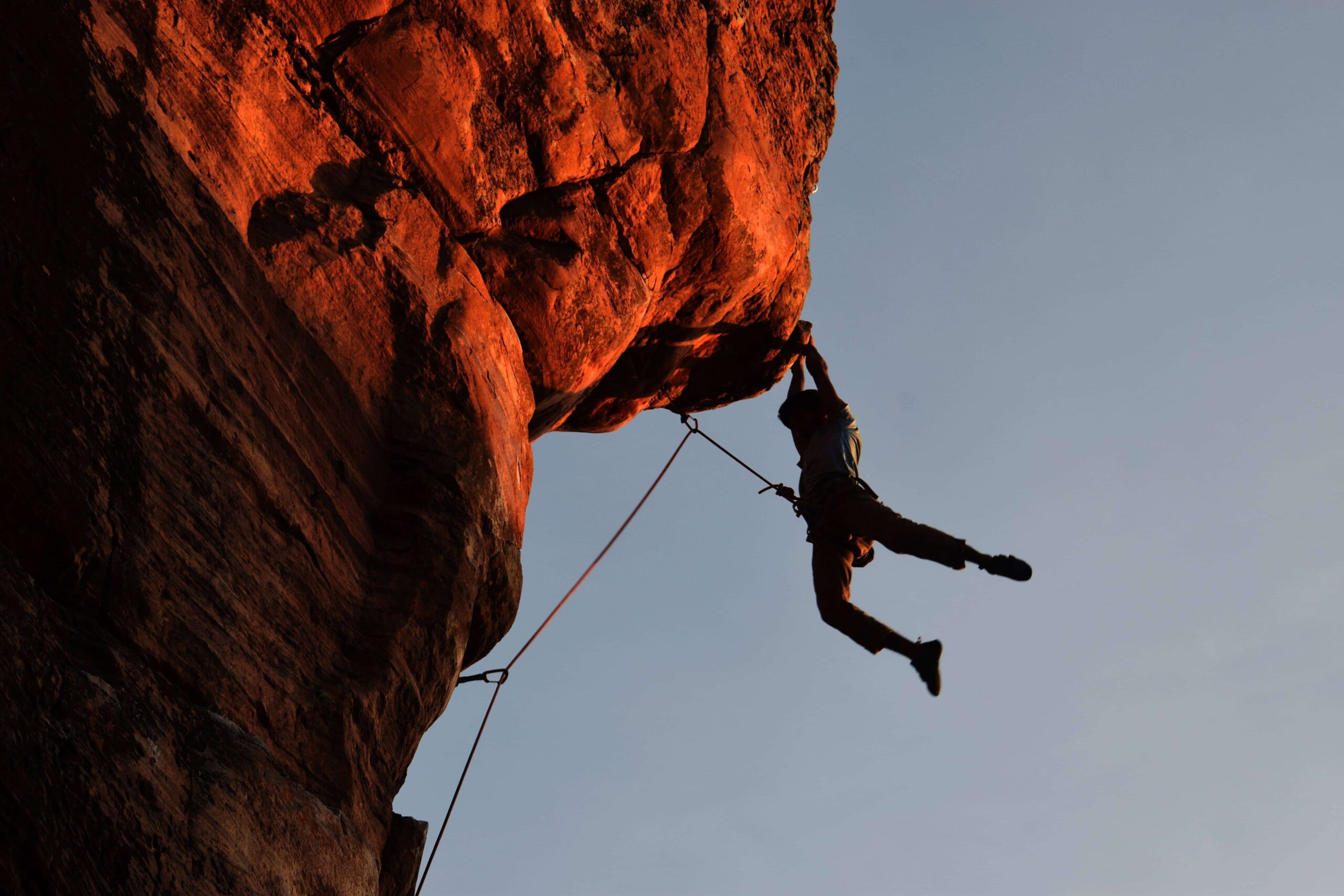
There is a reason why those who discover climbing in Crete tend to return. It is not only because of the quality of the rock, nor the generous climate or the views that bring sea and mountains together at a glance. Crete is an island-continent: vast, profound, surprising. Here climbing is not confined to a few iconic crags, but spreads across sacred gorges, coastal cliffs, windswept plateaus and villages that seem suspended in time. It is a destination for those who want to climb and truly travel, without separating sport from the experience of the place.
Crete lies at the southernmost edge of Greece, between the Aegean Sea and the Libyan Sea. It is the largest Greek island and one of the most mountainous: a backbone of mountain ranges crosses the island from west to east, with peaks rising above 2,000 metres and deep gorges descending all the way to the sea. This geological mosaic is the foundation of a varied and surprising climbing scene, capable of satisfying different styles and needs.
Getting to Crete is simple and flexible. The island has two major international airports, Heraklion and Chania, connected all year round with Athens and, during the season, with numerous direct flights from Italy and the rest of Europe.
Those who prefer travelling by sea can arrive by ferry from Piraeus, an overnight crossing that allows you to disembark well rested. Once on the island, renting a car is essential: many crags are located in rural or mountainous areas, accessible only via scenic roads that are already part of the experience.
At the heart of climbing in Crete is limestone, compact and sculpted, often technical, with vertical sections, friction walls and moderate overhangs. In some areas there are also conglomerate formations and more alpine-style walls. This makes Crete ideal for:
Agiofarago is one of those places you never forget. Wild, silent, powerful. Here Crete reveals its most authentic side: a deep and spectacular gorge that suddenly opens onto the Libyan Sea, revealing an unspoilt beach and rocky walls loved by those seeking adventure, spirituality and climbing far from the tourist trails.
Agiofarago is located in the south of Crete, in the southern Heraklion region, within the Asterousia Mountains area. It is a rugged and sparsely populated region, historically associated with hermits and monastic life, where nature reigns supreme. The gorge ends directly at the sea, creating a rare setting: canyon, cliffs and beach all in a single view.
Getting to Agiofarago is part of the experience. From Heraklion you drive towards Sivas and Odigitria, until reaching an unpaved parking area near the ancient Odigitria Monastery. From here, an approximately 25–30-minute walking trail begins, easy but fascinating, crossing the gorge between rocky walls, natural caves and an almost mystical atmosphere. It is not possible to reach the beach directly by car: it is precisely this “difficulty” that has protected Agiofarago from mass tourism.
Bring water, food and a beach umbrella with you: there are no facilities, and that is precisely part of its charm.
Agiofarago is an emerging climbing destination in Crete, particularly popular with experienced climbers and lovers of natural routes.
Climbing here is not “tamed”: it is pure, silent, immersed in nature.
Agiofarago is not just a beach, nor just a gorge, nor simply a place to climb. It is a complete experience, combining walking, sea, rock and spirituality. It is the perfect place for those who want to discover a different, intense side of Crete, far from the most travelled routes.
A place that does not reveal itself immediately, but allows itself to be discovered step by step. Just like the most authentic islands of Greece.
Plakias is one of the iconic places of southern Crete, the more authentic and untamed side of the island. Here the landscape changes rhythm: the mountains descend steeply towards the Libyan Sea, the wind carries the scent of Mediterranean scrub and time seems to slow down. Plakias is not only a seaside base, but a strategic starting point for exploring one of the island’s most spectacular coastlines, among deep gorges, imposing cliffs and beaches that remain wonderfully wild.
Plakias is located in the south of the Rethymno prefecture, directly overlooking the Libyan Sea. Behind it rise the mountains of the Psiloritis massif, while all around are some of Crete’s most famous gorges. It is a perfect location for those who want to combine sea, trekking and climbing, while staying away from the hectic tourism of the north.
Plakias is easily reached by car:
The road passes through traditional villages and spectacular mountain landscapes. Bus connections are available, but a car is highly recommended to explore the south coast freely.
Plakias is the ideal starting point for discovering some of southern Crete’s wonders:
Plakias manages to combine comfort and nature, with tavernas, small hotels and a relaxed atmosphere even during the high season.
Plakias is one of the most important climbing areas in Crete, known internationally.
The most famous sectors are located around Plakias, Damnoni and along the coastal road, making this area ideal for climbing-friendly holidays too.
Plakias is the perfect choice for those seeking a more authentic Crete, made of wind, intense light and wide-open spaces. It is a place that can be active and contemplative at the same time: you can climb in the morning, swim in the Libyan Sea in the afternoon and have dinner while watching the sun disappear behind the mountains.
Here the south coast is not just a destination, but a different way of experiencing Crete. And often, it is precisely what stays in your heart the longest.
Kapetaniana is one of those places that seem suspended in time, the most alpine face of climbing in Crete . A small, remote and authentic mountain village, where Crete reveals its most rugged and poetic soul. Here there are no crowded beaches or tourist shop windows, but silence, dizzying views and powerful nature, made up of deep gorges, wild plateaus and rocky walls that attract hikers and climbers from all over the world.
Kapetaniana is located in the south of Crete, in the prefecture of Heraklion, nestled among the Asterousia Mountains, one of the wildest and least explored mountain ranges on the island. We are far from the sea, yet extremely close to the purest essence of Crete: bare mountains, deep canyons and endless horizons that seem to descend towards the Libyan Sea.
It is a historically isolated area, inhabited by shepherds and shaped by an ancestral relationship with the land, wind and rock.
Reaching Kapetaniana takes time and a desire to explore, and that is precisely what makes it special.
The roads are paved but winding. A car is essential, as is careful driving: the journey is part of the experience.
Kapetaniana is the ideal starting point for discovering a surprising inland region:
Here nature is not tamed: it is real, rugged, exhilarating.
Kapetaniana is a niche climbing destination, loved by those seeking extreme and uncrowded environments.
Here climbing is pure adventure, far from the more touristy crags along the coast.
Kapetaniana is not for everyone. It is a destination for those who love silence, for those seeking an intense and vertical Crete, for those who want to walk, climb and lose themselves among the mountains. It is the ideal place to slow down, breathe deeply and rediscover the island’s most authentic side.
If you love the Greece that does not reveal itself immediately, Kapetaniana will surprise you. Here Crete is not something you simply hear about: it is something you experience, step by step, rock by rock.
The Lefka Ori, the famous White Mountains, represent the most powerful and wild soul of western Crete. An imposing massif dominating the landscape between Chania and the south coast, made up of pale peaks, lunar plateaus, deep gorges and rocky walls that seem sculpted by the wind. Here Crete stops being only about the sea and becomes true mountain terrain, rugged, luminous, intense.
The Lefka Ori are located in the western part of Crete, in the Chania region, and occupy a vast area stretching from the north to the south of the island. Their name comes from the pale colour of the limestone rock which, in winter, blends with the snow and in summer, reflects a dazzling light.
It is one of the largest mountain ranges in Greece, with more than 50 peaks above 2,000 metres, an almost uninhabited territory that offers a rare feeling of space and freedom.
The Lefka Ori are easily accessible from Chania, one of the main centres of western Crete.
Many hiking trails and climbing sectors start directly from paved or well-maintained unpaved roads.
The Lefka Ori area is a concentration of natural wonders:
It is also an ideal area for photography, trekking and slow travel.
The Lefka Ori are one of the most interesting climbing areas in Crete, especially for those seeking variety and spectacular natural environments.
Here climbing is often accompanied by silence, wind and breathtaking views.
The Lefka Ori are not simply a destination: they are a profound experience. A place where sea and mountains coexist just a few kilometres apart, where you can walk through gorges in the morning and swim in the afternoon, where climbing becomes a direct dialogue with the rock.
If you are looking for an authentic, intense and vertical Crete, the west of the island and the Lefka Ori will win you over. Here every trail tells a story, every wall invites you to climb, every view stays with you for a long time.
Crete is one of Europe’s best destinations for off-season climbing.
Crete is not a destination for major international festivals, but it hosts local gatherings, climber meet-ups and days dedicated to opening new routes. The community is welcoming, informal, and often involved in sustainable projects that enhance and protect the local area. Here climbing is not a spectacle, but part of the island’s outdoor lifestyle.
Choosing the right accommodation is essential and depends on the style of climbing you are looking for.
Climbing in Crete also means eating well, swimming in crystal-clear waters, walking through ancient gorges and talking to people who still have an authentic connection with the land. It is an island that allows you to slow down without giving up intensity, alternating vertical days with moments of pure contemplation.
Because it offers variety, space and depth. Because it does not force you to choose between sport and travel. Because every wall has a context, every route a story, every day a perfect balance between rock, sea and culture.
Crete is not just a climbing destination: it is a vertical world to explore, step by step, hold by hold. And when you leave, you will already know that it will not be goodbye, but simply see you again.





Pianifica la tua vacanza nelle isole greche
Niente pacchetti standard. Contattaci per un itinerario su misura che cattura l'anima delle isole.
Massimo 2 preventivi gratuiti
Dalle acque cristalline di Mykonos ai tramonti mozzafiato di Oia, il nostro team di esperti locali è pronto a curare ogni dettaglio della tua fuga greca. Non siamo solo un'agenzia — siamo il tuo ponte verso l'Egeo.
Risposta immediata garantita